



MarsLink News
Fast, Reliable, and Uncensored News Coverage
Trump allies plan Senate push to pass SAVE America Act

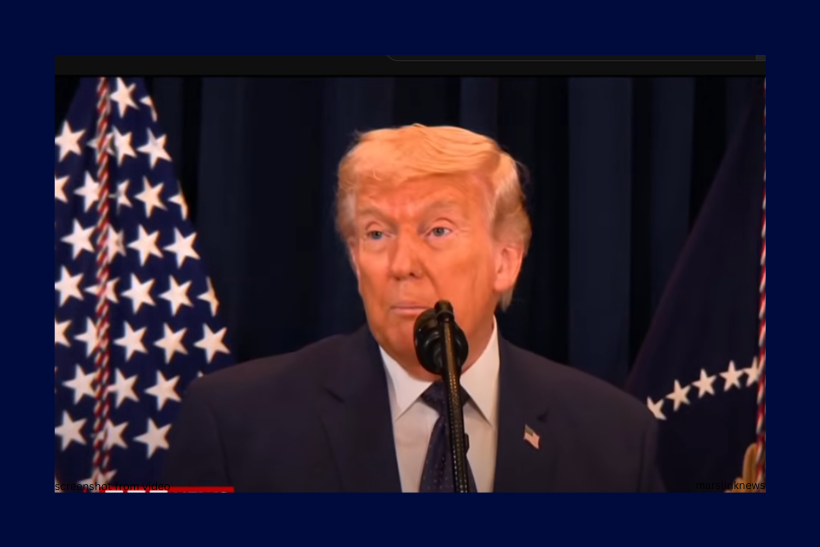
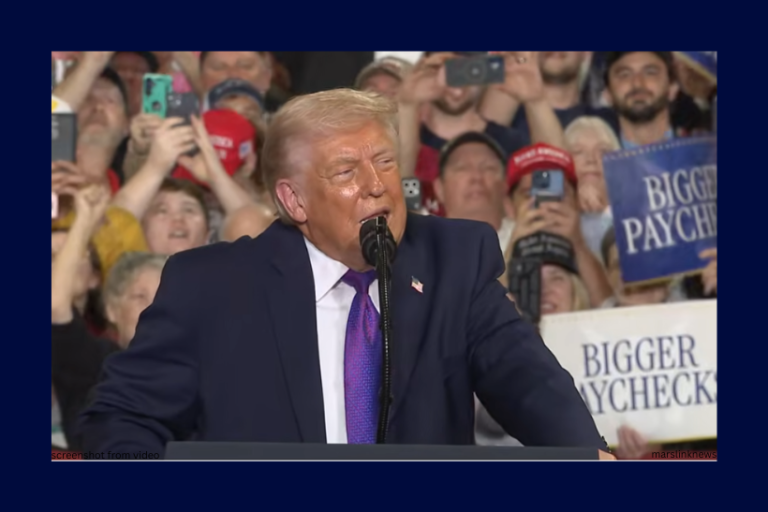
Allies of U.S. President Donald Trump are preparing to take over the Senate floor this week in an effort to pass the Safeguard American Voter Eligibility (SAVE) America Act, a bill that would require documented proof of citizenship to register to vote.
Republican senators supporting the measure are bracing for extended debate, with some preparing for long sessions to build momentum behind the legislation.
Senator Mike Lee said he wants to maximize debate time on the bill and suggested the fight could resemble the lengthy Senate battle that preceded passage of the Civil Rights Act of 1964.
“What I want to do is try to maximize the period of time in which we debate it,” Lee said, recalling how the Senate remained in session for 60 days during the 1964 debate before reaching a final vote.
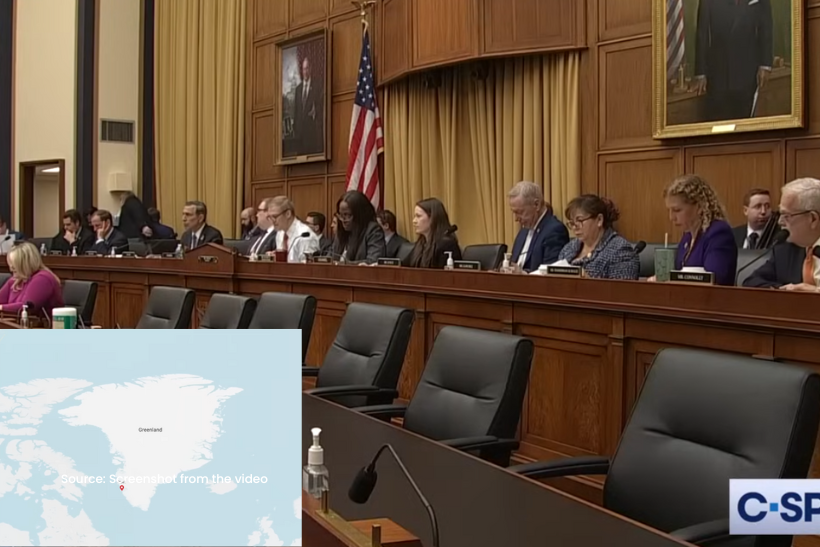
The push is expected to test Senate Majority Leader John Thune, who faces pressure from Trump allies and conservative voters to keep the legislation on the Senate floor as long as possible.
Thune has arranged for the measure to be considered as a message from the House, allowing Republicans to bring it up with a simple majority vote rather than the usual 60-vote threshold required to begin debate.


Even so, Thune said there are not enough votes among Republicans to force Democrats into a so-called talking filibuster. “The votes aren’t there,” he said, adding that the political math inside the chamber does not support that strategy.
Democrats remain strongly opposed to the proposal. Senate Democratic leader Chuck Schumer said his caucus has prepared multiple strategies to counter Republican tactics during the debate.
“My caucus really feels strongly that this would be a horror, one of the worst things that’s happened in the history of this country in terms of allowing people to vote,” Schumer said.
Supporters argue the bill would strengthen election integrity, while critics say the requirement for documented proof of citizenship could make voting more difficult for some Americans.
Republican senators say they will continue pushing the measure in the coming days, though the bill faces steep obstacles in the Senate due to unified Democratic opposition and procedural rules requiring 60 votes to end debate.