Breaking News




Popular News



Fast, Reliable, and Uncensored News Coverage
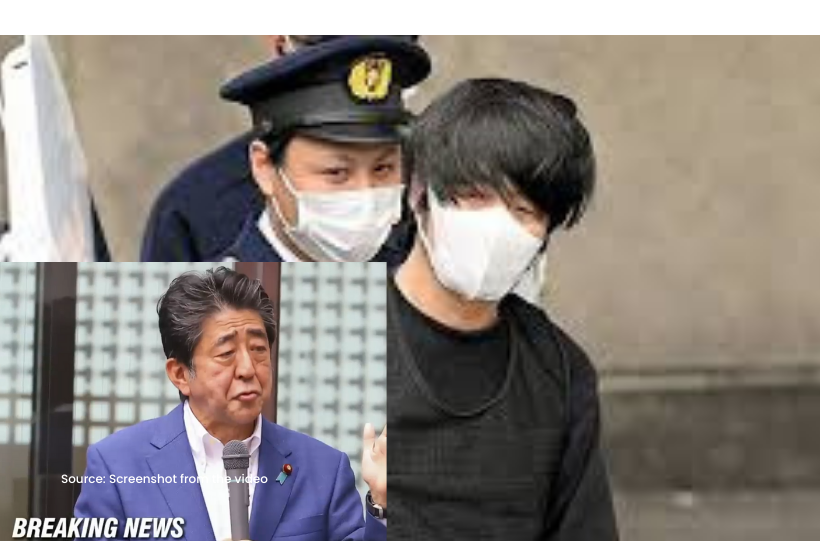
MLN -21 JAN 2026: A Japanese court on Wednesday sentenced Tetsuya Yamagami, 45 years old to life imprisonment for the killing of former Prime Minister Shinzo Abe, more than three years after the former leader was shot during a campaign speech in the western city of Nara.
Yamagami pleaded guilty to murder at the opening of his trial last year. Prosecutors sought a life sentence, describing the killing as a “grave act” that shocked a country where gun crime is rare. Abe, Japan’s longest, serving prime minister, was 67 when he was killed on 8 July 2022.
Judge Shinichi Tanaka of the Nara District Court said Yamagami’s actions were, despicable and extremely malicious, noting that he shot Abe from behind, when he was least expecting it, according to AFP. The court rejected a defense request for leniency.
Defense lawyers argued Yamagami was a victim of what they described as “religious abuse,” telling the court that his family was financially ruined by his mother’s donations to the Unification Church. They said Yamagami developed resentment toward Abe after learning of the former leader’s ties to the church, though Yamagami acknowledged Abe was not his original target.
Armed with a homemade gun constructed from metal pipes and duct tape, Yamagami fired two shots at Abe during the rally. He told the court at the start of the trial in October 2025, “Everything is true. There is no doubt that I did this.”
Abe’s killing prompted nationwide shock and led to investigations into the Unification Church and its fundraising practices. The case also exposed links between the church and members of Japan’s ruling Liberal Democratic Party, resulting in the resignations of several cabinet ministers.
In an emotional statement read in court, Abe’s widow, Akie Abe, said the loss of her husband would never fade. “I just wanted him to stay alive,” she said.
Founded in South Korea, the Unification Church entered Japan in the 1960s and developed ties with politicians, researchers say. In March last year, a Tokyo court revoked the group’s status as a religious corporation, ruling it had coerced followers into making excessive financial contributions.
Legal observers said the case divided public opinion in Japan, with some expressing sympathy for Yamagami’s background while others emphasized the seriousness of the crime. Prosecutors maintained that Abe did not directly harm Yamagami or his family and that personal grievances did not justify the killing.
The sentence brings to a close one of the most consequential criminal cases in modern Japanese history.